

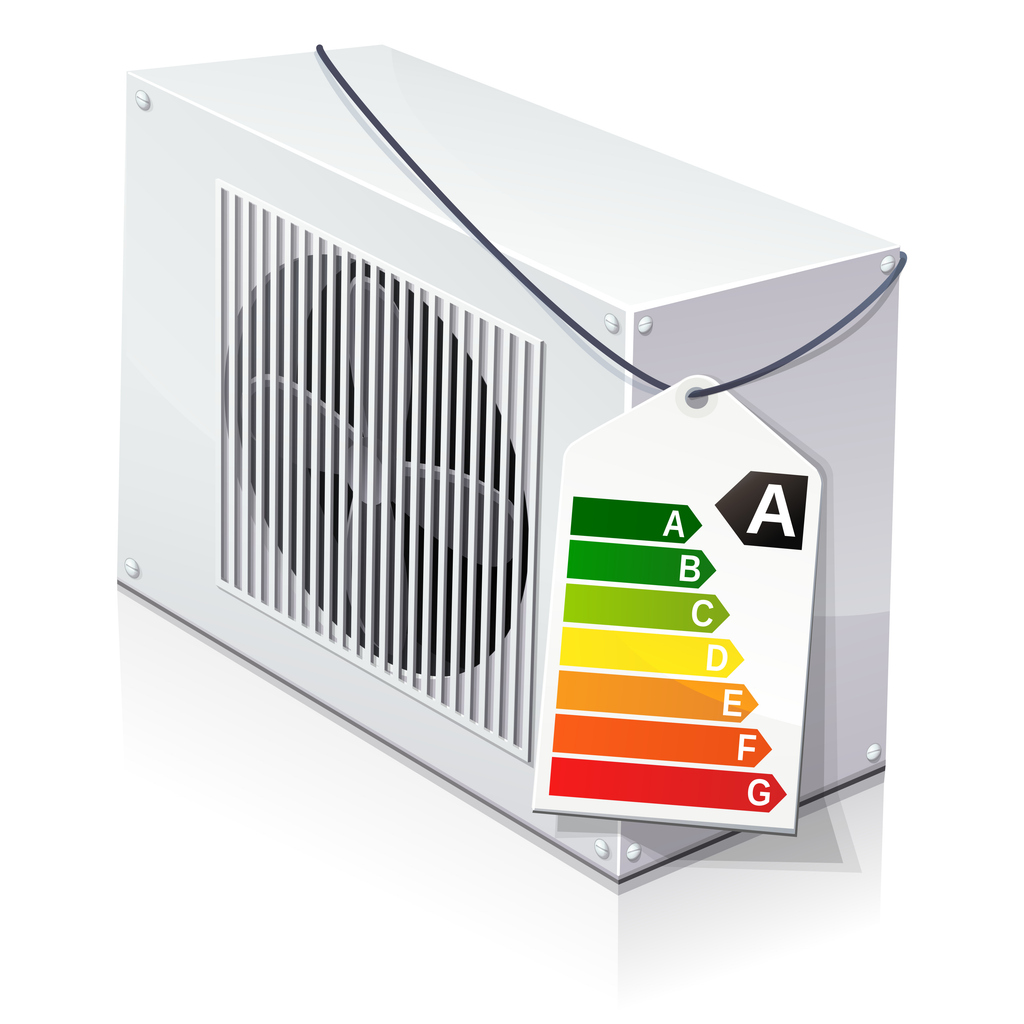
We all know that the old refrigerator chugging along in the basement is using more energy than the new, sleek appliance upstairs in the kitchen. Home appliances have become more efficient over time, saving money by lowering energy use. Most of us will recognize those efficiency standards by the “energy star” label that explains how much it will cost to power the appliance.
In addition to the energy star, some appliances have their own particular efficiency standard. For instance, the air conditioners and heat pumps that Maertin Heating and Cooling installs, maintains and repairs also have a Seasonal Energy Efficiency Ratio (SEER). This helps consumers and technicians identify how efficient an AC unit or heat pump will perform in our particular climate.
For both energy and environmental conservation purposes, the federal government has long regulated air conditioners and subsequently heat pumps. But until 2015, those regulations held all air conditioners to the same national efficiency standards. A unit that might run nearly all day, every day in a hot and humid place like Louisiana (or lately, Chicagoland!) was held to the same standard as one running every so often during the summer months in northern Wisconsin. Industry and efficiency experts recognized that different climates required different cooling solutions, which should be measured by different efficiency metrics.
That more granular efficiency metric became known as SEER. SEER is a ratio of your system’s seasonal cooling output compared to the energy used to run the system. A higher SEER number means your system cools for a lower cost than a system with a lower number. Systems sold in the northern part of the U.S. must have a minimum 14 SEER while systems sold in the southern part of the U.S. must have a minimum 15 SEER.
Along with a region’s climate, the SEER rating considers specific appliance variables like compressor and fan efficiency, heat exchange effectiveness, refrigerant type, and size. The SEER number allows us to better predict how expensive the appliance will be to run in real-life situations. In fact, researchers have recently refined the SEER number into an even more particular SEER2. This new system was introduced in 2023, requiring either a 14 SEER or 13.4 SEER2 in northern climates and a 15 SEER or 14.3 SEER2 in southern climates.
We know – you’re thinking “why anyone would want a less efficient AC unit or heat pump? Why wouldn’t someone in a northern area want the more efficient 15 SEER/14.3 SEER2 unit?”
A big reason is cost. Higher SEER numbers come with higher total upfront cost for the appliance itself. Recouping that cost might not be possible if your region (or even the particular temperatures you prefer) doesn’t demand constant cooling.
While the SEER number is more particular than other efficiency ratings, that number is still only as good as the totality of your HVAC system. A poorly installed unit, leaky ductwork, and lapsed maintenance will quickly eat into any efficiency savings predicted by the SEER number.
With Maertin Heating and Cooling as your partner in proper installation and maintenance, your unit should be able to maintain efficient performance for nearly the entire length of the appliance’s life.
The Department of Energy predicts that the new SEER2 standard has the potential to collectively save anywhere from $2.5 billion to $12.2 billion over the next thirty years. Not only do these efficiency gains save us money on our energy bills, they also allow us to keep cool while reducing carbon and refrigerant pollution.
Do you have questions about the efficiency of your aging HVAC system? Schedule an appointment today and we’ll be happy give you answers!